
Booking Date Not Available !
EXPLORE NEPAL
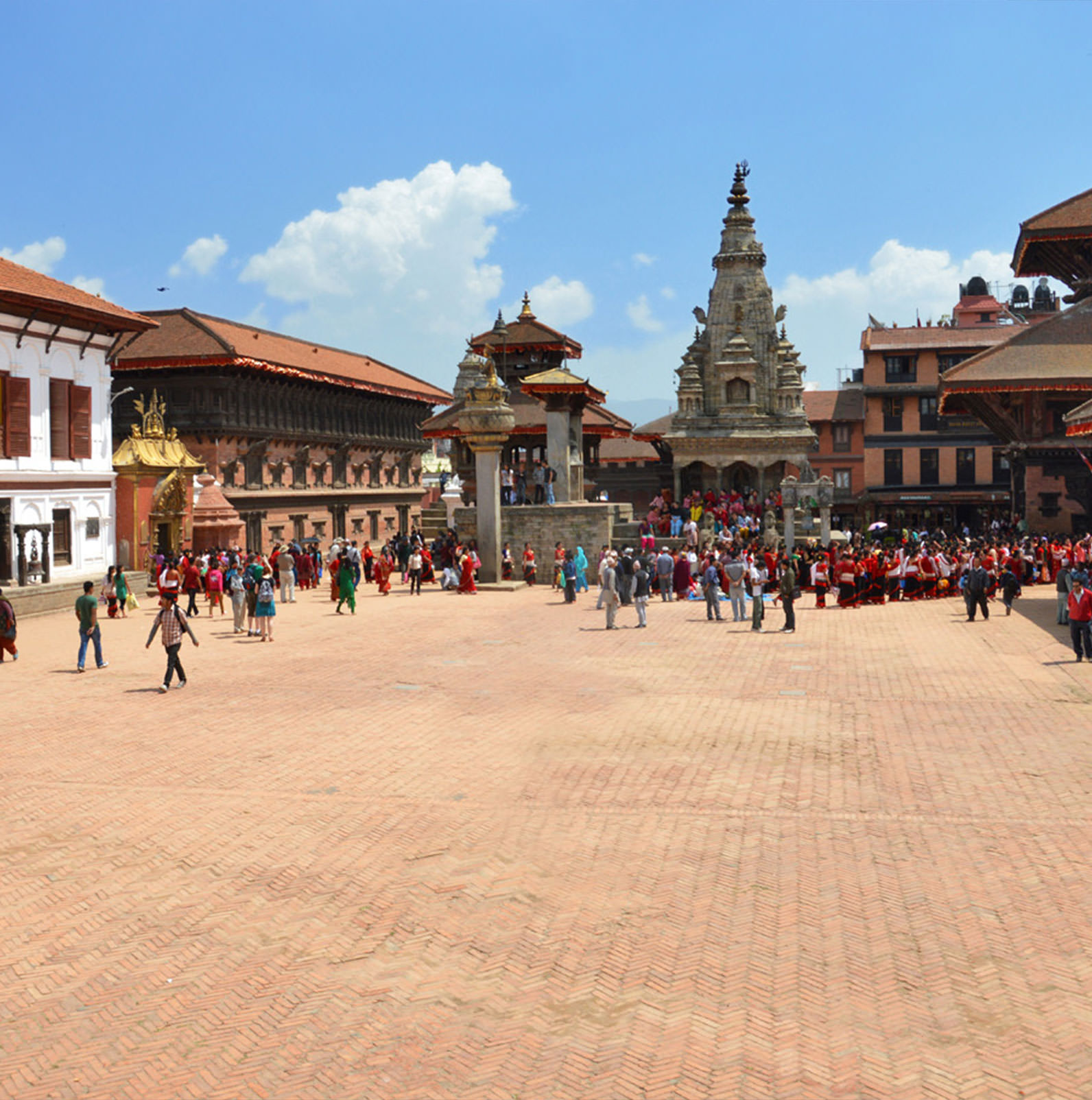
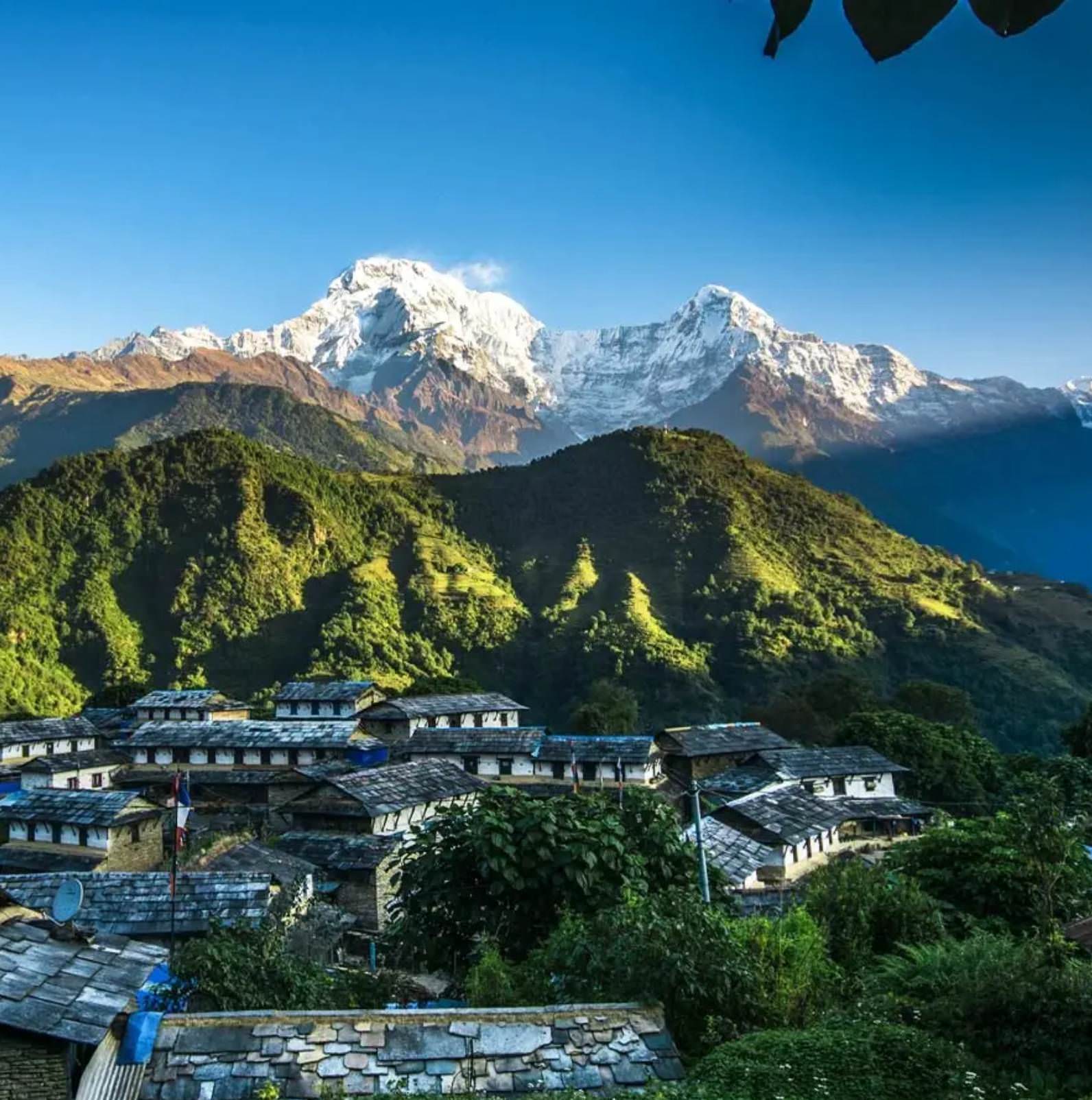
Experience the extraordinary diversity of Nepal on a journey that weaves together ancient heritage, breathtaking Himalayan scenery, and remarkable wildlife. This thoughtfully curated tour takes you through three of the country’s most iconic regions, each offering a unique perspective on Nepal’s identity.
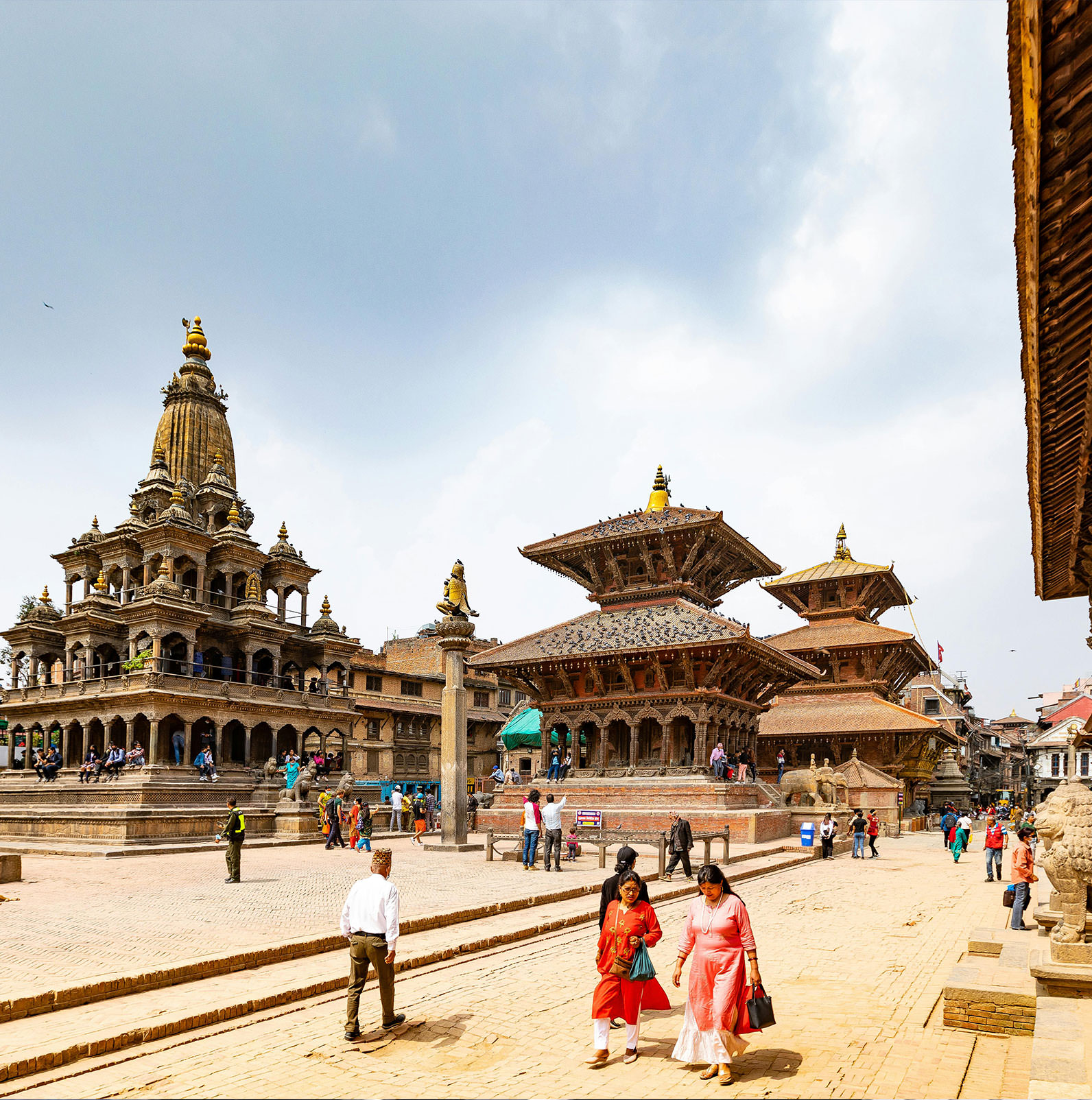
Begin in the Kathmandu Valley, the cultural and historical heart of Nepal and the cradle of the indigenous Newar civilization. Wander through the medieval cities of Kathmandu, Patan, and Bhaktapur, where intricately carved wooden temples, centuries old palaces, and sacred courtyards reveal a living legacy of art, architecture, and spirituality. Visit UNESCO World Heritage Sites such as Durbar Squares, Swayambhunath (the Monkey Temple), and Pashupatinath, and immerse yourself in vibrant local life, traditional crafts, and bustling markets.
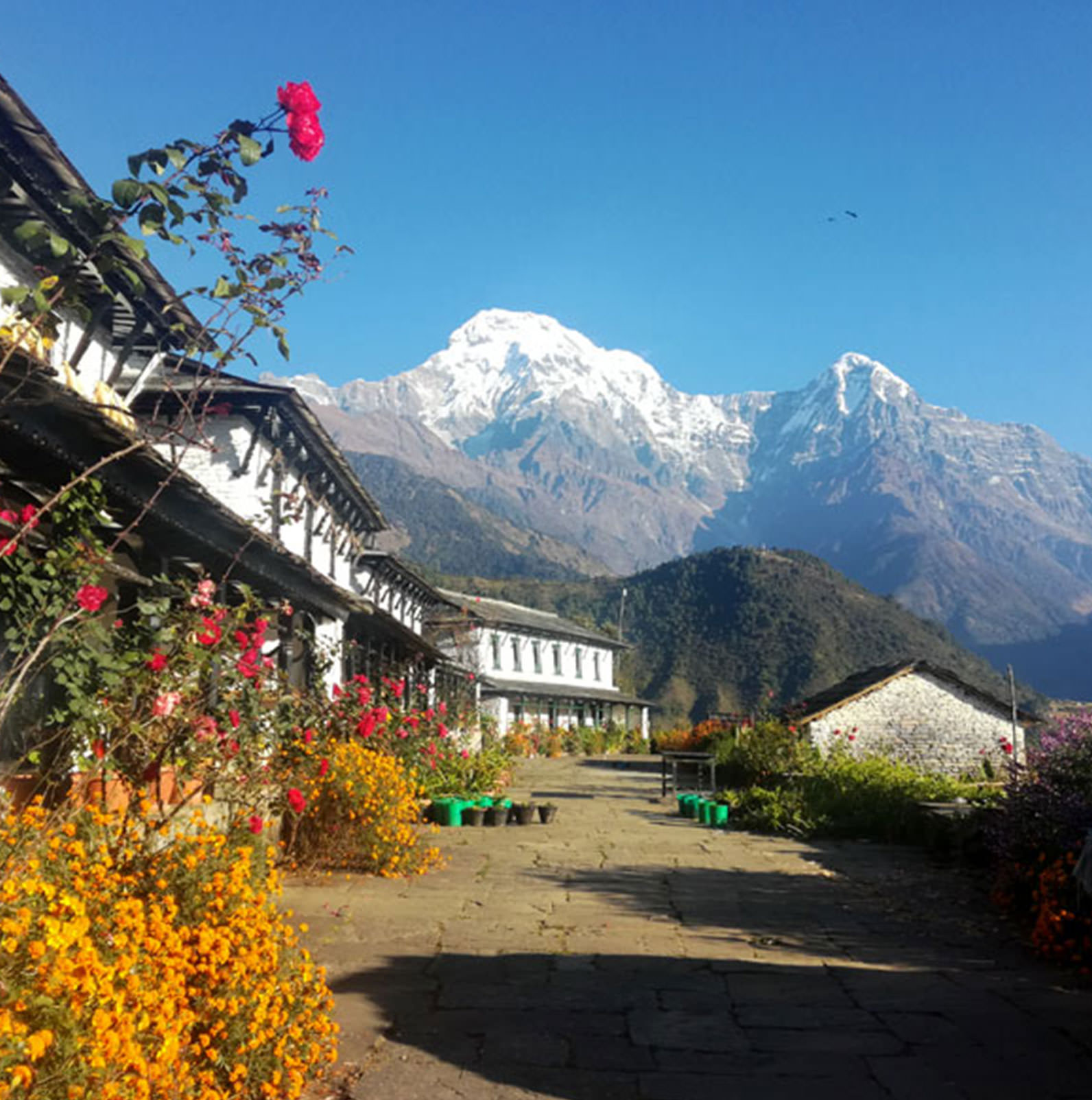
Continue to the tranquil lakeside city of “Pokhara,” set against the dramatic backdrop of the Annapurna mountain range. Here, snowcapped peaks including the iconic Machhapuchhre (Fishtail Mountain) and towering Dhaulagiri reflect in the serene waters of Phewa Lake. Enjoy a more relaxed pace as you explore natural wonders such as Davis Falls, Gupteshwor Cave, and the World Peace Pagoda, or simply soak in the panoramic Himalayan views at sunrise.
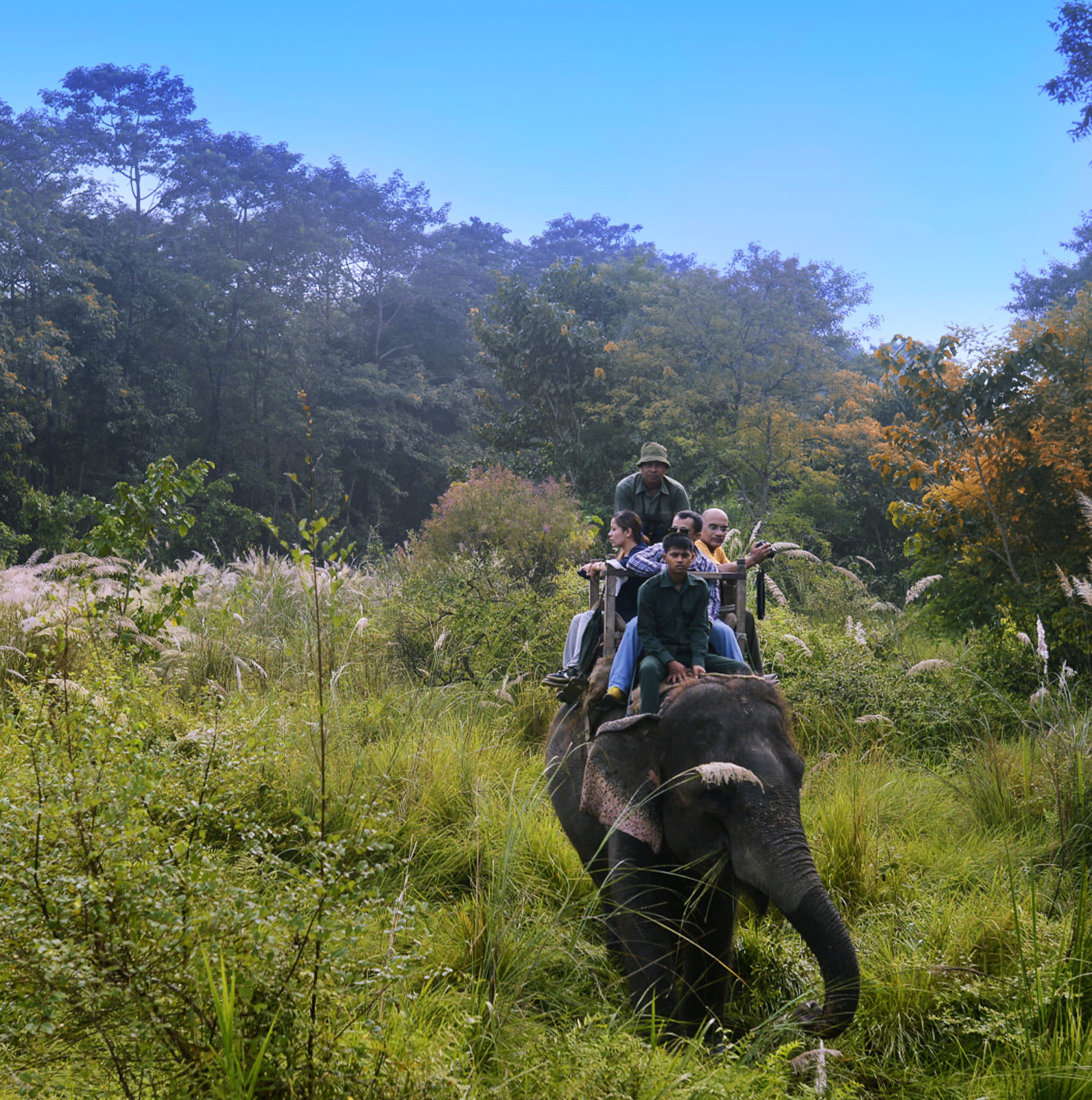
Conclude your journey in the lush lowlands of “Chitwan National Park”, a UNESCO World Heritage Site and one of Asia’s finest wildlife reserves. This subtropical sanctuary is home to dense forests, grasslands, and winding rivers that shelter an incredible array of wildlife. Embark on guided jungle safaris in search of the one horned rhinoceros, elusive Royal Bengal tiger, sloth bears, and crocodiles, while bird enthusiasts can spot hundreds of species in this rich ecosystem. Cultural encounters with the indigenous Tharu community add another dimension to your experience.
This tour offers a perfect balance of culture, nature, and adventure, showcasing Nepal’s incredible contrasts from ancient cities and towering peaks to untamed wilderness.
 Kathmandu Culture
-
 Durbar Squares & Temples: Explore UNESCO World Heritage sites like Hanuman Dhoka, Patan Durbar Square and Bhaktapur Durbar Square
 -
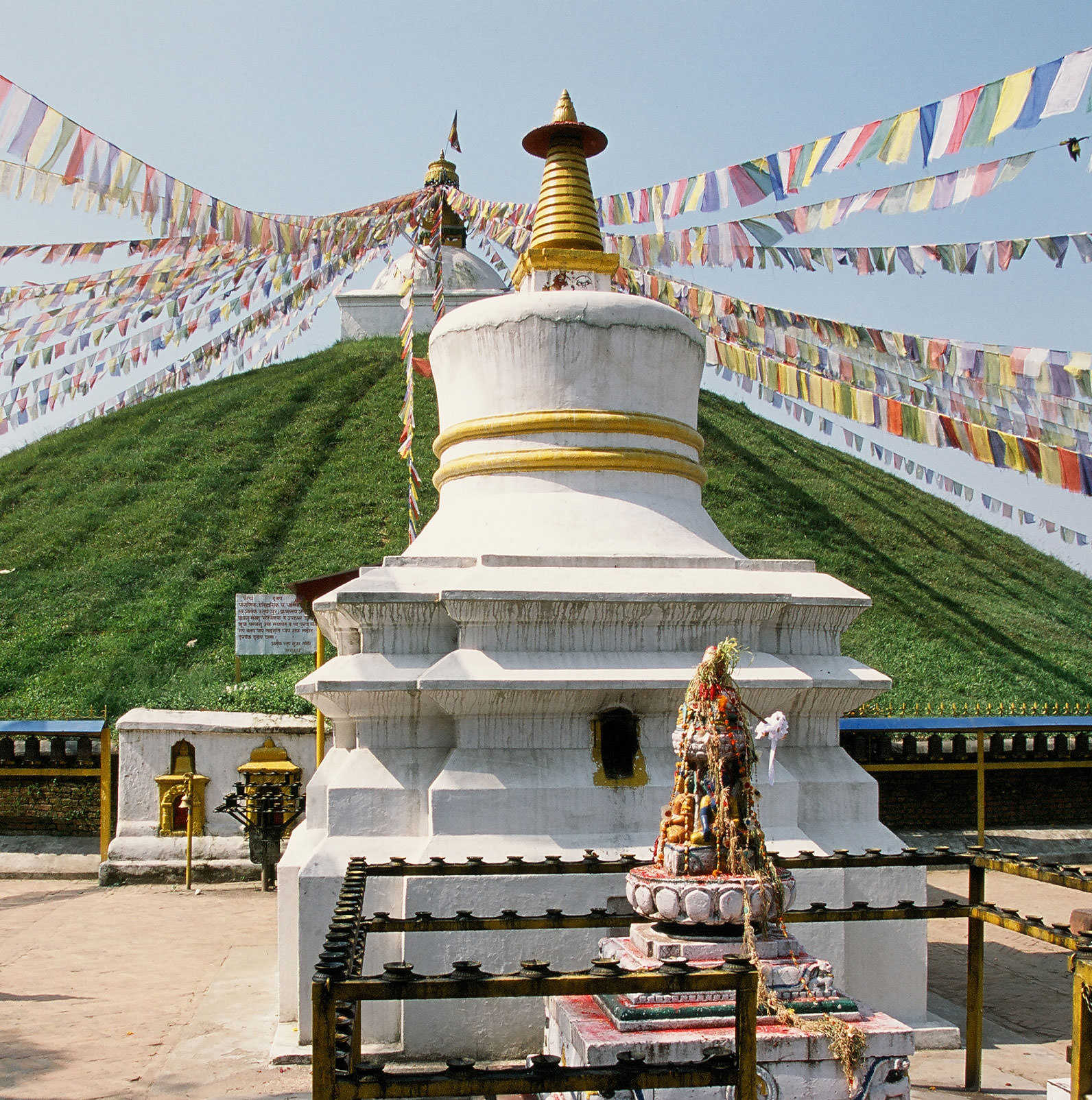
Boudhanath & Swayambhunath Stupas: Witness vibrant Buddhist rituals and panoramic city views
-
 Museums & Cultural Centers: Learn about Nepalese history at the National Museum and Patan Museum
 -
 55-Window Palace: Marvel at intricate wood carvings and historic architecture at Bhaktapur Durbar Square
 -
 Nyatapola Temple: The tallest pagoda-style temple in Nepal, a masterpiece of Newar architecture
 -
 Pottery Square: Watch traditional artisans craft clay pots and souvenirs
 -
 Local Cuisine Tours: Savor momo dumplings, dal bhat, and Newari delicacies
.png) Pokhara – Scenic Sightseeing
Pokhara – Scenic Sightseeing
-
 Fishtail Mountain Views: Marvel at the Annapurna range from Sarangkot sunrise point
 -
 Phewa Lake Boating: Enjoy boating with reflections of the mountains on the serene lake
 -
.png) Davis Falls & Gupteshwor Cave – Explore natural wonders with dramatic landscapes.
Davis Falls & Gupteshwor Cave – Explore natural wonders with dramatic landscapes. -
 World Peace Pagoda: Hike for panoramic lake and valley views
 -
 Adventure Sports: Paragliding, zip-lining, and trekking for adrenaline seekers.
 Chitwan National Park – Wildlife & Adventure
-
 Wildlife Safari: Spot rhinos, tigers, elephants, and exotic birds on jeep or canoe safaris
 -
 Elephant Rides & Interactions: Learn about elephants and their natural behaviors
 -
 Jungle Walks & Bird Watching: Guided treks through lush forests and grasslands
 -
 Tharu Village Visit: Experience traditional Tharu culture, dances, and cuisine
 -
 Sunset Canoeing & Nature Trails: Peaceful river explorations with stunning sunsets.
Your tour guide will welcome you at the airport and bring you to your hotel. Welcome drink on arrival. After about an hour your guide will take you around Kathmandu city. Return to the hotel and free evening.
After an early morning breakfast your tour guide will follow with you for full day sightseeing. He will take you to Swyambhu Stupa a very sacred religious Bud-dhist shrine, is 2500 years old Stupa situated on a hillock overlooking Kathman-du valley. Then you will go to Kathmandu Durbar Square, the Palace, constructed from the 15th – 18th centuries. The huge Royal square consists of a various temples and shrines dedicated to different Hindu Gods and Goddesses, one of the tenth Cul-tural World Heritage Site.
Your third visit is to Patan Durbr Squre, Situated in the centre of Patan city, res-idence of the former Patan royal family. The whole city is home of the valley’s finest craftsmen since ancient time. It is one of the tenth World Heritage Site of the country. Your guide will take you in the afternoon to Bouddhanath Stupa, It is one of the biggest and the oldest Buddhist shrine in the world, it is 36m high, built around the 5th century A.D. The Stupa is recognised with the status of World Heritage Site.
Your third visit is to Patan Durbr Squre, Situated in the centre of Patan city, res-idence of the former Patan royal family. The whole city is home of the valley’s finest craftsmen since ancient time. It is one of the tenth World Heritage Site of the country. Your guide will take you in the afternoon to Bouddhanath Stupa, It is one of the biggest and the oldest Buddhist shrine in the world, it is 36m high, built around the 5th century A.D. The Stupa is recognised with the status of World Heritage Site.
Today you are visiting a most sacred Hindu temple of lord Shiva, is the famous and largest holiest temple in South-Asia. Its astonishing architectural existed since 400 A.D. also in the status of World Heritage Site.
Bhaktapur or "the City of Devotees”, situated 14km east of Kathmandu, this an-cient city actually most popular city among all and legendary living museum from medieval time. The extraordinary ‘Durbar Square’ has an concentration of unique palaces, temples, monasteries arts and culture. which are admired for their beautiful artworks in wood, metal and stone. This whole marvellous city is also called the 'City of Culture', the Living Heritage' It is also placed on the sta-tus of UNESCO World Heritage Site.D
Bhaktapur or "the City of Devotees”, situated 14km east of Kathmandu, this an-cient city actually most popular city among all and legendary living museum from medieval time. The extraordinary ‘Durbar Square’ has an concentration of unique palaces, temples, monasteries arts and culture. which are admired for their beautiful artworks in wood, metal and stone. This whole marvellous city is also called the 'City of Culture', the Living Heritage' It is also placed on the sta-tus of UNESCO World Heritage Site.D
Early morning drive by a comfortable coach through mountainous road to Chit-wan national park, it takes 5/6 hours to reach there. On the way you have a stunning view of Himalayas, scenic mountain villages and green lush valleys, which you will not see by flight.
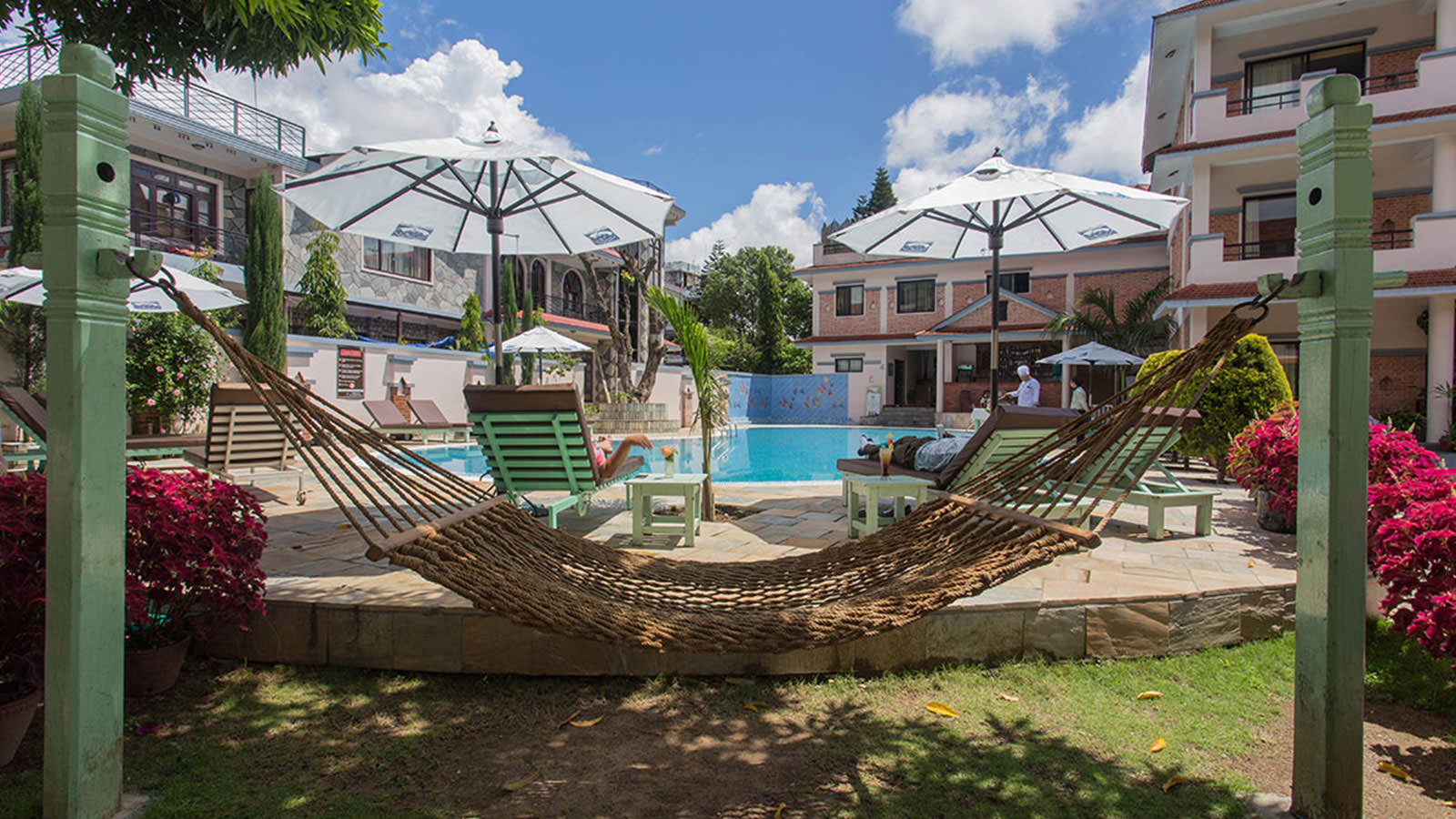
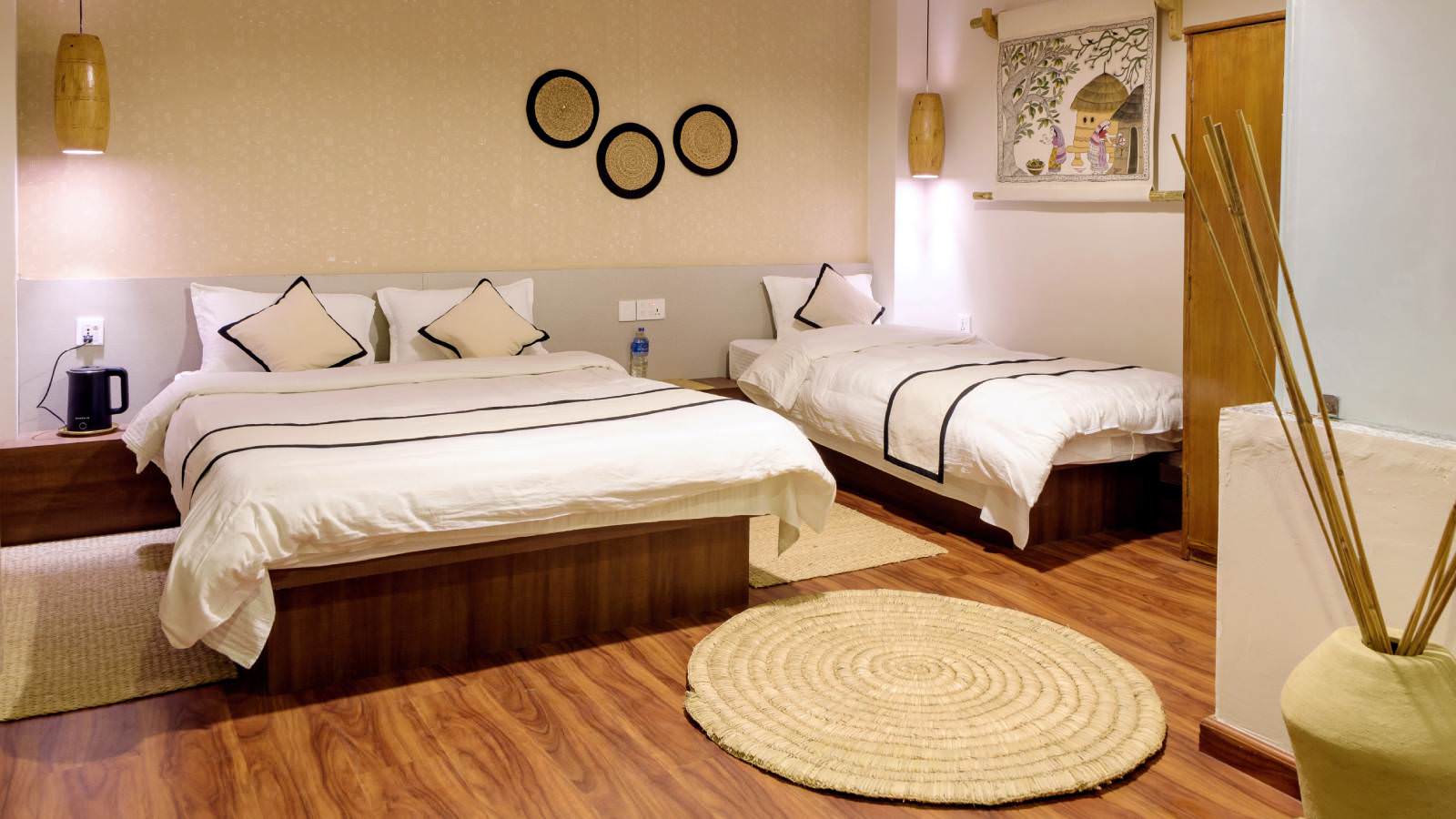
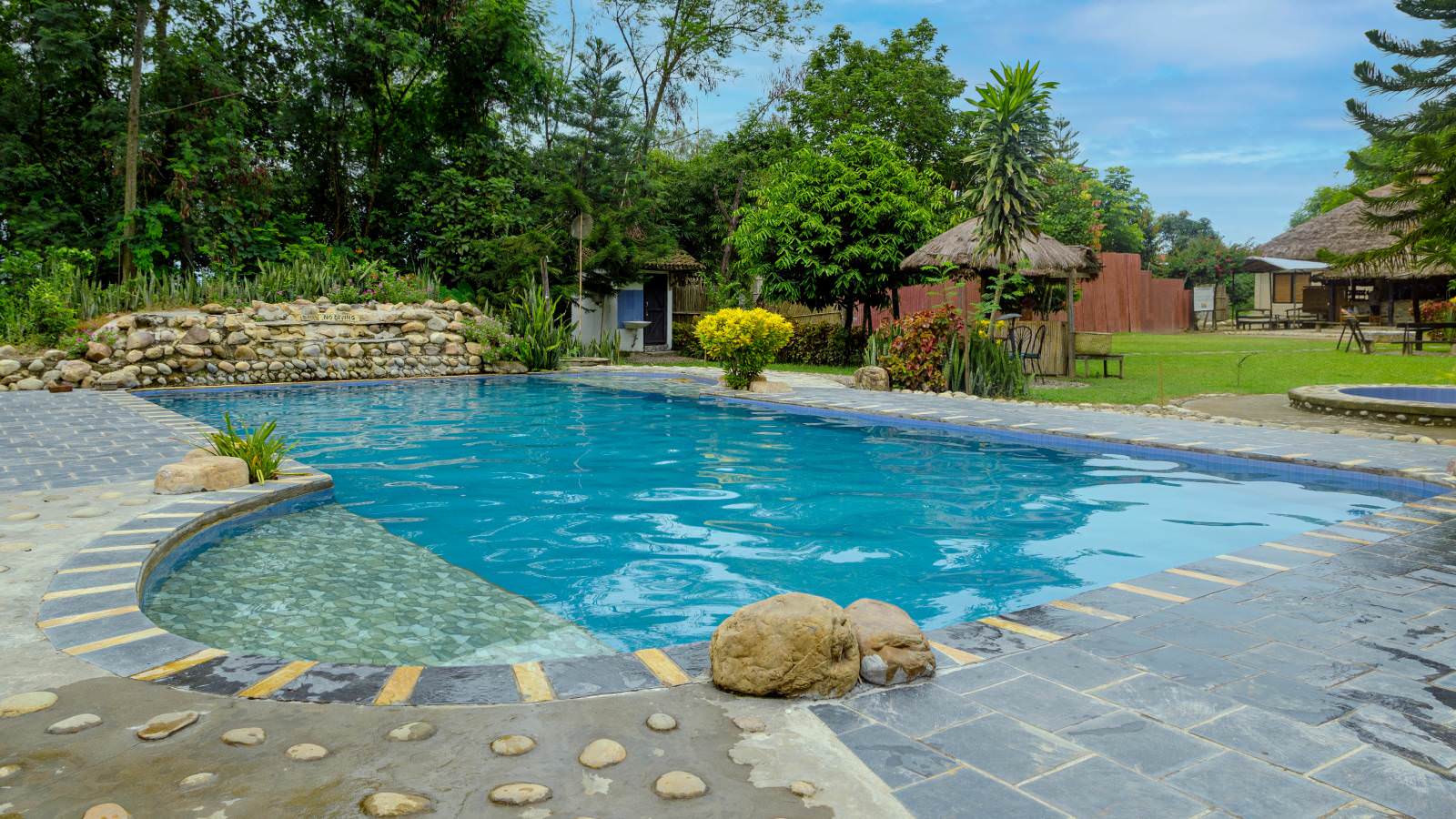
Your naturalist will welcome you on arrival and he will take you about 20 minutes by a Jeep to your splendid Jungle Lodge Resort.
Upon arrival, guests are taken to beautiful resorts followed by refreshment and give you briefing about the lodge facilities and tour program. Then after lunch, there will be slideshow presentation by a professional on the mammals, reptiles, birds, local people, village environment, flora & fauna, and natural history of the park. Later in the evening you are taken off to a walk through villages to uncov-er the living style of local people.
Your naturalist will welcome you on arrival and he will take you about 20 minutes by a Jeep to your splendid Jungle Lodge Resort.
Upon arrival, guests are taken to beautiful resorts followed by refreshment and give you briefing about the lodge facilities and tour program. Then after lunch, there will be slideshow presentation by a professional on the mammals, reptiles, birds, local people, village environment, flora & fauna, and natural history of the park. Later in the evening you are taken off to a walk through villages to uncov-er the living style of local people.
In the morning, we go off on our elephant back safari into the Park to view the rhinos at close quarters, many beautiful peacocks, exotic Gharials (the freshwa-ter Nepali crocodile) and other wild animals The trip is well-staffed to give you the most of your time while at the park, and make each guest’s elephant-back-Safari a very thrilling experience for them. In the late afternoon, guests could take a traditional canoe for a thrilling adventure down the wide Rapti River. At the end of the trip, guests can walk back with the ranger, who will introduce guests to the local wildlife, flora, and elephant breeding centre.
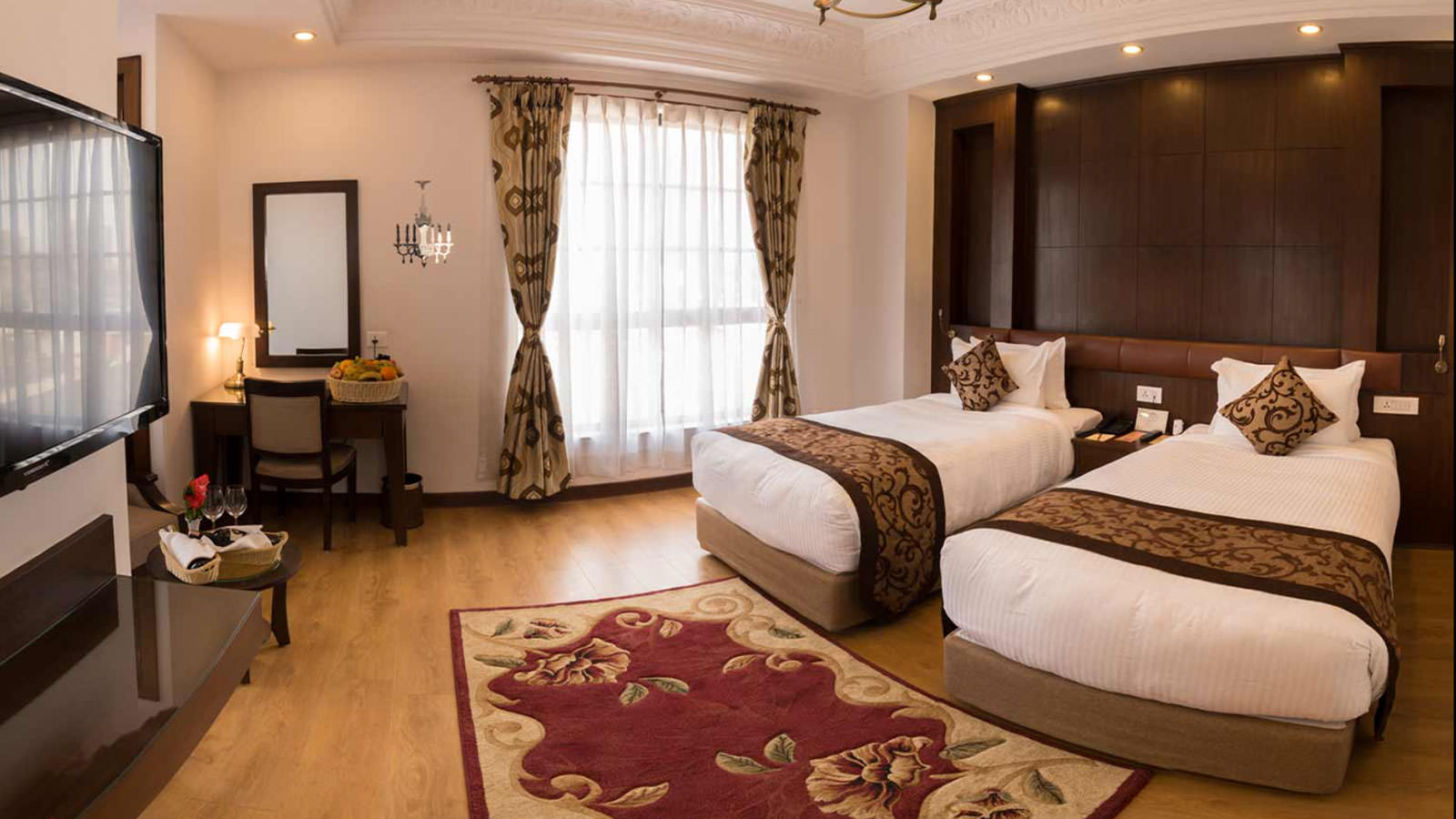
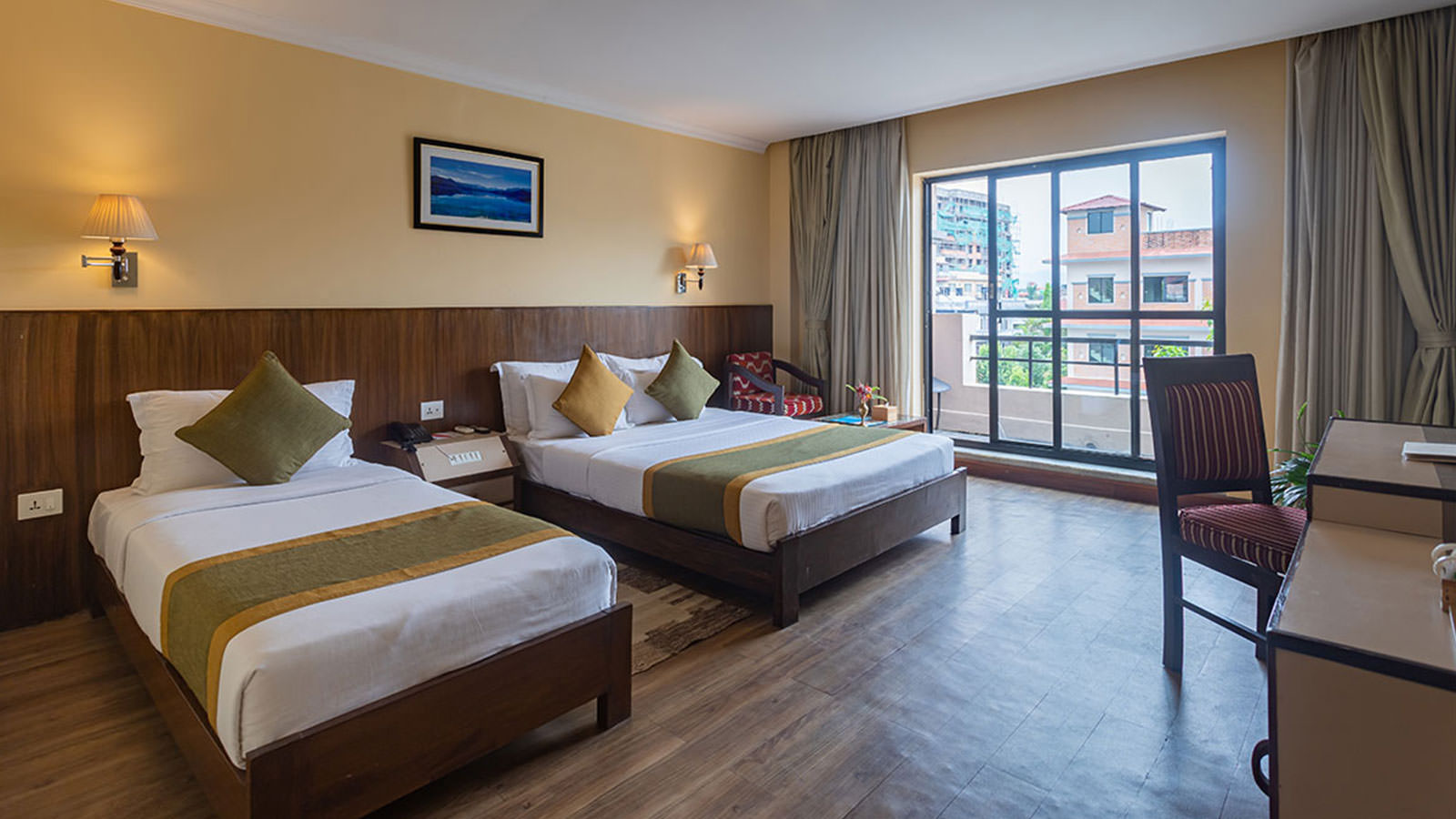
Drive from Chitwan to Pokhara which takes 4/5 hours to reach transfer to your hotel. After an hour rest in your hotel your guide will take you to the Phewa lake side, you will have beautiful view of lake. Around the lake there are many souvenir shops and traditional and continental restaurants. May be it is also a good idea to taste in the evening one of the finest restaurant for your dinner with Phewa lake view. In the evening prepared for the trek.
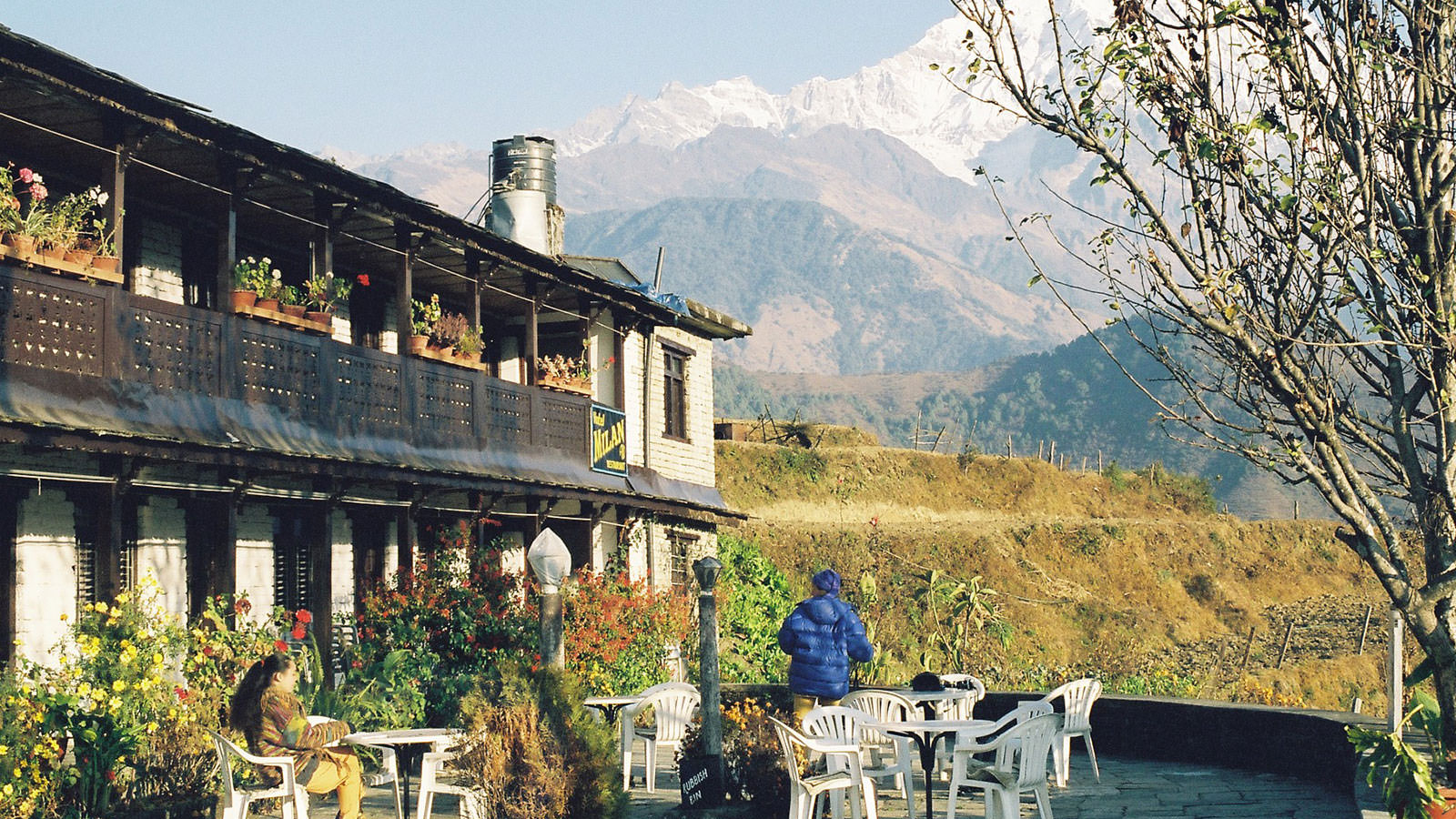
You have short drive to reach the start point of your trek, to Nayapul. Your trek today is short and gentle as we follow the Bhurungdi Khola (river) upstream to Hile. We pass streams, waterfalls, tropical vegetation and thriving rice fields that give this area its lushness. You will overnight in a simple local lodge.
Today the trail would remain in same level through Rhododendron forest and passing ethnic villages. The village has many good lodges with hot shower and restaurants with western food. En route you pass a number of villages and en-counter our first glimpse of Annapurna South and Machhapuchhre.
To capture the highlight of this trek we leave early in the morning for Poon Hill (3,210m). A 45 minutes walk above Ghorepani brings us to the panorama of peaks of Dhaulagiri, Annapurnas, Machhapuchhre, Manaslu and many more. The spectacular sun rises over Dhaulagiri and Annapurna Himals, this is one of the world’s most incredible mountain vistas.
To capture the highlight of this trek we leave early in the morning for Poon Hill (3,210m). A 45 minutes walk above Ghorepani brings us to the panorama of peaks of Dhaulagiri, Annapurnas, Machhapuchhre, Manaslu and many more. The spectacular sun rises over Dhaulagiri and Annapurna Himals, this is one of the world’s most incredible mountain vistas.
The trail continuously steep up hill and down hill through Rhododendron forest and the trail descends steeply as it enters a dense rhododendron forest. The fi-nal climb of the day brings us to Tadapani, a small village located on the top of the hill with a view of green forest valley, and where we have a close up view of Annapurna south.
Today we trek down hill about 3 hours through an enchanting rhododendron forest then the trail up hill about 2 hours till we reach Jhinu. A small village having a small Hot spring beside the Modi river. From the guest house about 40minutes walk to the hot spring where you can have natural hot bath.
Our final day of trek, your morning walk starts with the trail dropping down to the Modi Khola. Following the river the upward trail contours the rice terraces bringing us to Syauli Bazaar. Beyond here, the trail’s gradient levels as we walk alongside the river passing through a number of villages and orange orchards to Birethanti. From here we drive back to Pokhara, arriving late afternoon to your hotel.
Today in the morning fly back to Kathmandu, you will have stunning himalayan view during the flight, and transfer to your hotel. You have an opportunity to buy last souvenirs or visit Spa in your hotel, free of your own.
Today is the last day of your trip, a trip of your life time. You will bring to the airport by your tour guide for your final destination to your home. We know that nice memory of your trip will bring you back again and your team would be pleased to welcome you.
Cost Includes
- All accommodation as listed in the itinerary hotels on twin sharing basis in Kathmandu, Pokhara and Chitwan National Park and during the trek.
- Two full day sightseeing tour in Kathmandu with a German or English speaking tour guide.
- Meals as listed in the itinerary
- 2 nights and 3 days at Chitwan National Park on full board plan
- Elephant Safari, Jungle walk, Canoe drive and other activities at Chitwan nation park.
- Six days Trekking tours in the Annapurna region including all 3 meals
- Private and tourist coach transportations as mentioned in the itineraries.
- All national park, monument, museum fees and government taxes
Cost Excludes
- International flights
- Single supplementary cost
- Your entrance visa fee
- Meals not listed in the "Daily food Inclusions"
- Traveling insurance, Personal Expenses, All soft and Hard Drinks
- Drinks, snacks, water as well as other individual needs and expenses
Visa requirement
Visa is the first requirement before you enter Nepal, which you can obtain at Kathmandu airport on arrival or you can also get it in your country of destination from Nepalese Embassy or consulate offices. Or you can apply online also from the website of immigration department of Nepal under the link. https://online.nepalimmigration.gov.np/tourist-visa We would recommend you to obtain visa either online in advance to avoid long queue at the airport. To obtain on arrival visa you required a valid passport and one passport -size photo with a light background. Credit cards are not accepted as payment of visa fee. No On arrival visa for country list -
- AFG
- IRQ
- CMR
- GHA
- SOM
- SWZ
- PSE
- ZWE
- NGA
- ETH
- LBR
Visa Facility Duration Fee:
- Multiple entries 15 days - US$ 25 or equivalent convertible currency
- Multiple entries 30 days - US$ 40 or equivalent convertible currency
- Multiple entries 90 days - US$ 100 or equivalent convertible currency
- For more in details and current updates please visit the link below directly:
-
Travel insurance is necessary
Adequate security gives you therapeutic incorporation in case you turn out to be sick or break your leg at the mountain, your camera overflowing with epic ascending shots is hurt or stolen, your flights are dropped, or you end up included with a disastrous occasion. It's an assurance against potential issues that develop when you're all over the place, and can secure your life. Your own adequate travel insurance ought to be purchased at the time your finalise your booking. This is a mandatory requirement for travel. Sufficient provision that covers personal accidents, death, medical costs and emergency repatriation should all be included under your policy. We would recommend a minimum coverage of 0,000 for each of the aforementioned categories. Your policy will also ideally cover you in cases of cancellations, curtailments, loss of luggage and any personal liabilities that may occur. It is a requirement that you provide proof of sufficient travel insurance.
-
Clothing
From April to the end of October, it is warm in Kathmandu. In Nepal clothing for traveling purpose should be comfortable and light. You can also wear longer shorts provided that it is weather- friendly. In the months of November to the end of March, days are usually warm and evenings are cool. Put on your summer clothes during the day time but in the evening and night it is advisable to carry a light jacket. Winter season starts from December to February. One must be equipped with sufficient winter wears like jackets, sweaters, trousers etc to stay protected from the cold.
-
Health & safety in Nepal
Drinking water is very important factor to be safe and prevent from infectious diseases in Nepal. We recommend you only to drink bottled mineral water, which is available in every hotel and shops. If you are traveling in rural areas, like going for trekking, carry iodine tablets with you. Consult your GP or travel health clinic well before departure to check on recommended vaccinations, which may include typhoid and hepatitis A, plus meningitis if trekking to outlying areas. Malaria is present below 1,200m; consider taking antimalarials. In town, stick to bottled water. Take water-purifying tablets with you if you’re trekking or heading off the beaten track.
-
Altitude sickness
The air pressure is lower as we go higher, that means thinner air, you will be breathing also less oxygen. Same thing happens, when you are trekking in Himalayas above 2000 meter you are breathing less oxygen and there is always danger of having altitude sickness. But it is not for everybody, it also depends on each and everybody’s physical condition. Altitude starts to effect us from 2,000 metres upwards. it is also known as Acute Mountain Sickness (AMS), If trekking at high altitude take precautions to avoid AMS. Make sure you are physically fit, acclimatise to the altitude slowly, eat high-carb meals and drink plenty of water.
AMS is actually more common in fit young men because they are more likely to attempt a rapid ascent by racing up the mountain. It is more safer and enjoyable by planning a sensible itinerary that allows for gradual acclimatisation to altitude as you ascend, but you can back down as fast as you like! If you are not feeling well above 2,500 m, it may be AMS until proven otherwise.
Early symptoms of AMS include:
- Headache
- Loss of appetite
- Nausea
- Fatigue on minimal exertion
- Dizziness
What to do if you have AMS?
- Don’t go higher, rest, drink fluids (not alcohol).
- If symptoms get worse, immediately descend with a friend.
- If symptoms fully go away, go up.
- Consider taking Acetazolamide (Diamox 250 mg twice a day).
- You’ll spend your nights in teahouses / Local guest house
In Nepal Teahouse trekking is the most popular form of arrangement which allows trekkers to stay at local lodge and have wholesome foods. The guest houses offer basic twin bed accommodation. It is cold in the night, we would recommend you to bring your own sleeping bag, if you do not have one, we can also provide you.There are only common bathroom and toilet which you have to share with other tourists and they have sometime hot shower.. This type of local lodges are mostly available in most popular trekking routes like – Annapurna, Mustang, Everest and Langtang areas. You will be carrying all your clothing gears along with you depending on the season but in case if you want to buy or hire any trekking items in Kathmandu or Pokhara. There are lots of trekking stores across Kathmandu and in the main streets of Pokhara.
Trekking Gear that you should bring:
Waterproof hiking boots (worn in)
Waterproof backpack cover and dry bag
A warm sleeping bag
Rain coat or Jacket
Warm Jacket
Water purification tablets
Altitude sickness tablets
Beanie
Hand sanitiser
Sunscreen
Sunglasses
Bandaids
First aid kit
Thermals
Hat
Warm sleeping bag
Warm socks (several pairs)
Torch and batteries
Snacks
Refillable water bottle
Gloves and scarf (depending on season and altitude)
Best Time To Trek In Nepal
The best season go for Trekking in Nepal is from the mid of September to mid of December and from late February through to June consider ever best season of trekking in Himalayas. During this period of months have pleasant climate condition not so hot and cold and visibility of mountain are crystal clear. In these months in trekking areas temperatures is stable in the morning 10 to 12 Celsius and during the day 15 to 20 Celsius depending on the Months. Most important thing is there will be less chance of rain, skies are often clear, providing great vistas of the Himalayas.
June, July and August months are main rainy season in Nepal and involves monsoon with heavy rainfall which makes trekking conditions unfavourable. It is cold in the winter months in December and January generally, the days are clear in winter season in Nepal. In winter season in Nepal is usually snow fall in the higher elevations above 5000m. with risk winds and colder temperatures. Therefore, it is ideal for trekking in the lower elevation.
Nepali customs
Nepal is a Hindu dominated religious nation, when visiting its religious places, you should pay an attention. Because some holy Hindu temples are strictly accessible for the Hindus only so, ensure you read the display board before you enter the site or ask near by some one and always explore clockwise around temples. Always ask before you capture religious temples and peoples in your camera, so that you do not offend the peoples feeling and also in terms of respect to the peoples and their culture. By the way expel your shoes when entering those sites or a neighbourhood's home. Shoes are supposed to be containing dirts and leather wears are not allowed inside the temple.
| Departure Dates Confirmed Dates | Trip Status Trip Status | Price (PP) Minimum rate | |
|---|---|---|---|

US $880 per person
Book instantly directly with provider
Best price guarantee
Fully customizable trip
Extend your trip at applicable rates
Best price guarantee
Fully customizable trip
Extend your trip at applicable rates
Trip Facts
| Trip Duration : | 13 Days |
|---|---|
| Highest Altitude : | 2855 m. |
| Difficulty : | Moderate |
| Season : | September to May |
| Activity : | Explore Nepal |
| Group Size: | 8 pax |
| Transportation: | Flight and Coach |
| Accommodation : | 3 star hotel / Tea house |
| Meals: | 3 Meals in the trek and Jungle safari |
| Start-End : | Ktm - Ktm |
Whatsapp For Enquiry
 +977 9761161318 |
 +49 15229228976 |
support@holidayorganiser.com
+49 15229228976 |
support@holidayorganiser.com
Need Help? Ask the trip expert
+977 9761161318 |
+49 15229228976 |
support@holidayorganiser.com
"Experienced Travel Experts. Tailored Trips, Every Time."