
Booking Date Not Available !
API HIMAL TREK
The Api Himal Trek is one of Nepal’s most remote and unspoiled trekking experiences, located in the far-western region of the country near the border with India and Tibet. Perfect for adventurous travellers seeking solitude and authenticity, this off-the-beaten-path journey offers a rare opportunity to explore pristine Himalayan landscapes that remain largely untouched by mass tourism.
The trek typically begins with a flight or long overland journey to Dhangadhi, followed by a drive to the trailhead at Gokuleshwor or Latinath. From here, the route gradually ascends through dense subtropical forests, terraced fields, and traditional villages inhabited by diverse ethnic groups such as the Byansi, Chhetri, and Brahmin communities. Along the way, trekkers gain insight into a unique culture deeply influenced by both Hindu and Tibetan traditions.
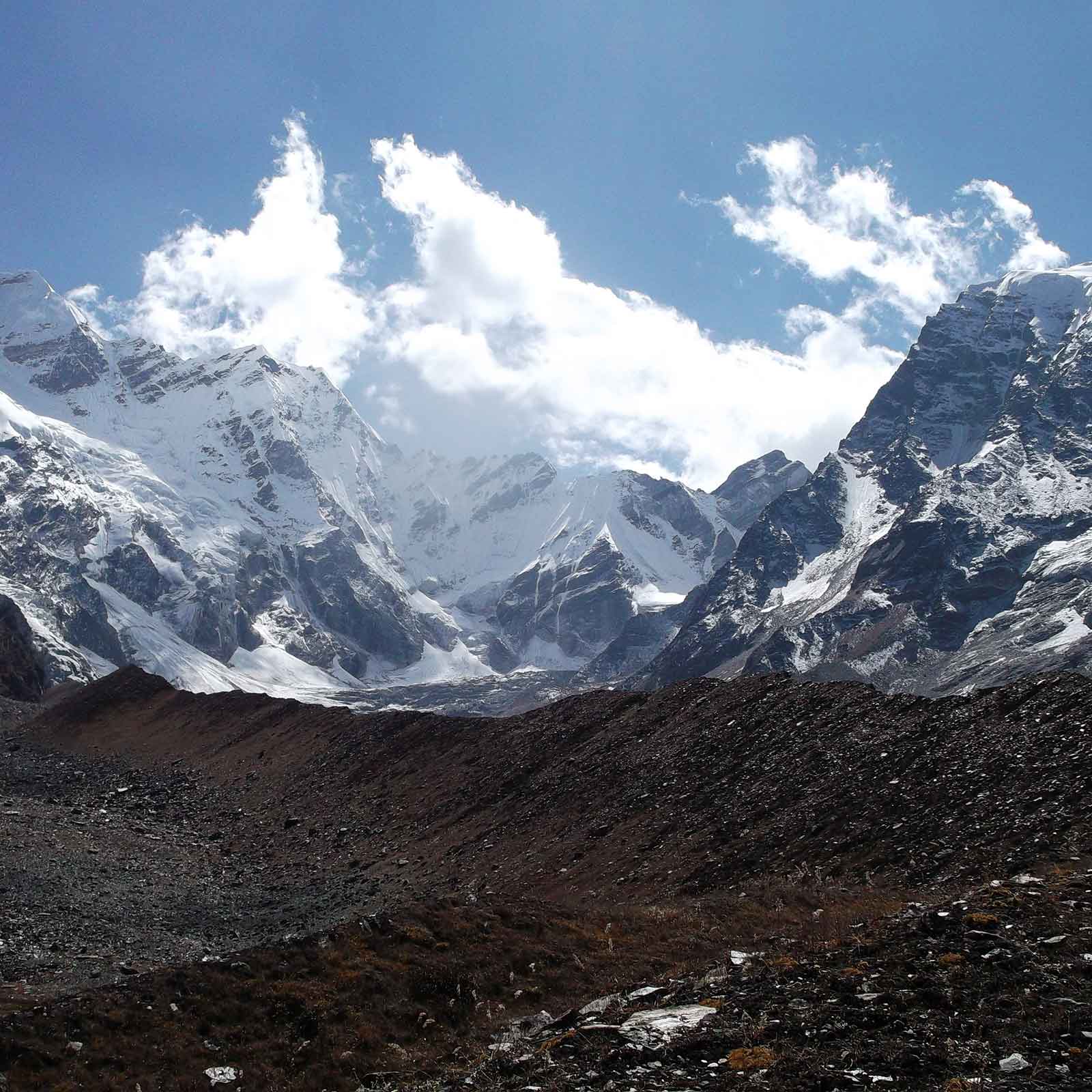
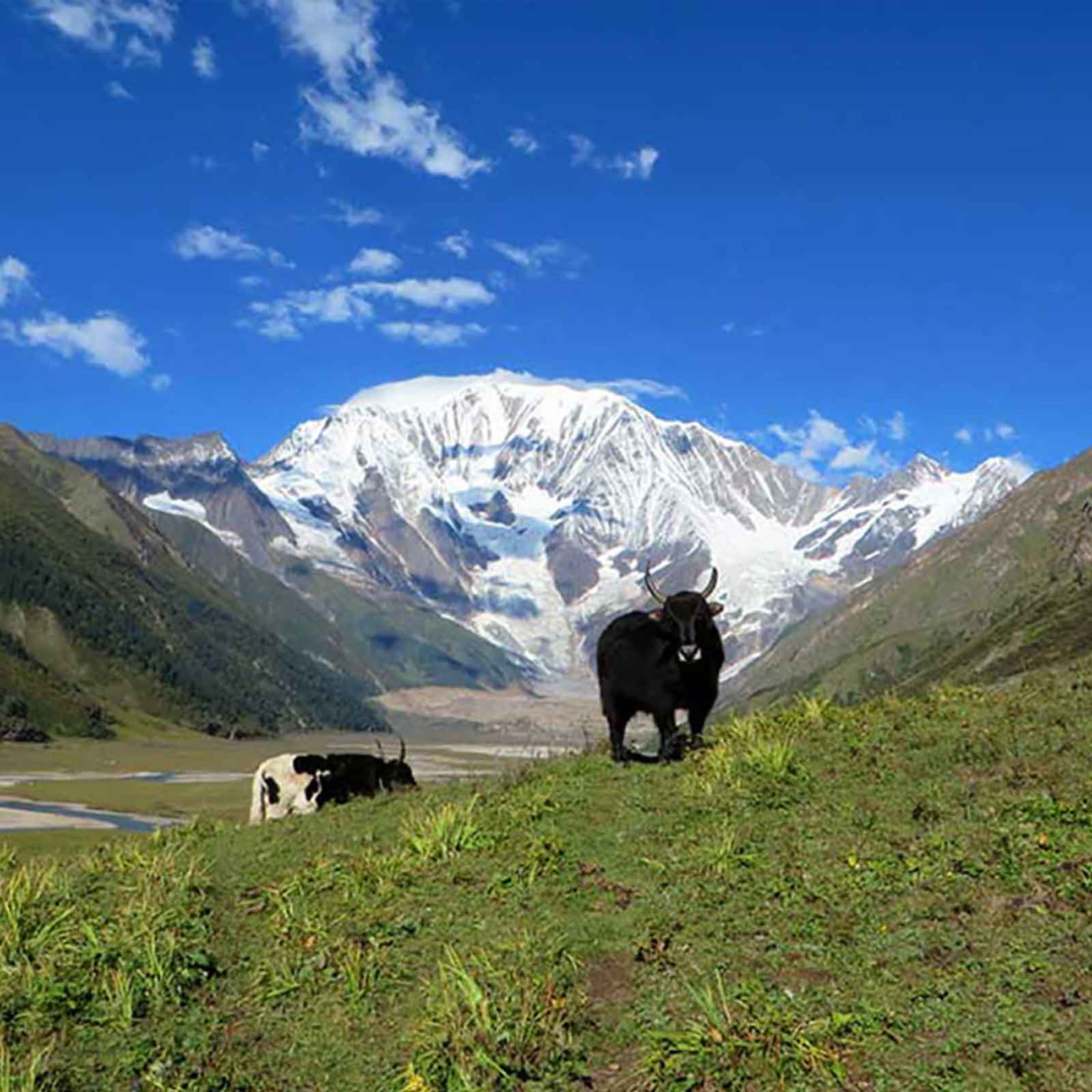
As the trail climbs higher, the scenery transforms dramatically into alpine meadows, high ridges, and rugged mountain terrain. The highlight of the trek is the breathtaking view of Mt. Api (7,132 m), the highest peak in western Nepal, along with surrounding Himalaya giants, glaciers, and remote valleys. Sacred sites such as Kali Dhunga Lake and various spiritual landmarks add a cultural and religious dimension to the journey.
Unlike the more developed trekking regions, the Api Himal route remains largely a camping trek, offering a true wilderness experience. Trekkers must be prepared for basic facilities, but are rewarded with unmatched tranquility, raw natural beauty, and a deep sense of exploration.
The return journey follows scenic trails through remote valleys and untouched forests, completing a circular route that showcases the region’s diverse landscapes. With its combination of dramatic mountain views, rich cultural encounters, and peaceful isolation, the Api Himal Trek is an ideal choice for those looking to venture beyond Nepal’s popular trekking routes and experience the Himalayas in their purest form.
Overall Highlights:
- Remote Far-Western Nepal and Api Nampa Conservation Area
- Panoramic Himalayan peaks: Api (7,132 m), Nampa (6,755 m), Saipal (7,031 m)
- Traditional villages and cultural encounters
- Alpine meadows, forests, glaciers, and moraines
- Excellent photography opportunities, especially sunrise and sunset
- Moderate to challenging trekking with rewarding wilderness experiences
Trekking Highlights:
- Panoramic Himalayan Views
- Sunrise & Sunset Spots
- Base Camp Experience
- Alpine Meadows & Forests
- Cultural Villages
- Glaciers & Moraines
- Wildlife & Birds
- Remote Wilderness Trek
- Moderate to Challenging Trails
- Photography Hotspots
-
- Your journey begins with a scenic flight from Kathmandu to Dhangadhi over the Terai plains and Himalayan foothills.
- Drive through rural far-western villages, rivers, and terraced farmlands to reach the Saipal Base area.
- Observe traditional Tharu and other local communities engaged in farming.
- Altitude: 1,200 m
- Activity & Terrain: Flight and road transfer through Terai landscape and hill settlements
- Trek Difficulty: Easy (travel day)
- Highlights: Rural villages, rice paddies, rivers, first distant Himalayan views
-
- The trek officially begins along gentle forested trails and terraced farmland.
- The trail passes small streams and stone footbridges with gradual uphill sections.
- Reach the traditional village of Sirsia.
- Distance: 10–12 km
- Altitude: 1,200 m → 1,800 m
- Trek Difficulty: Moderate
- Highlights: Traditional villages, early views of Saipal Massif, terraced fields, waterfalls
- Flora & Fauna: Pine and oak forests, Himalayan songbirds
- Tips: Start early to enjoy morning light on terraced landscapes
-
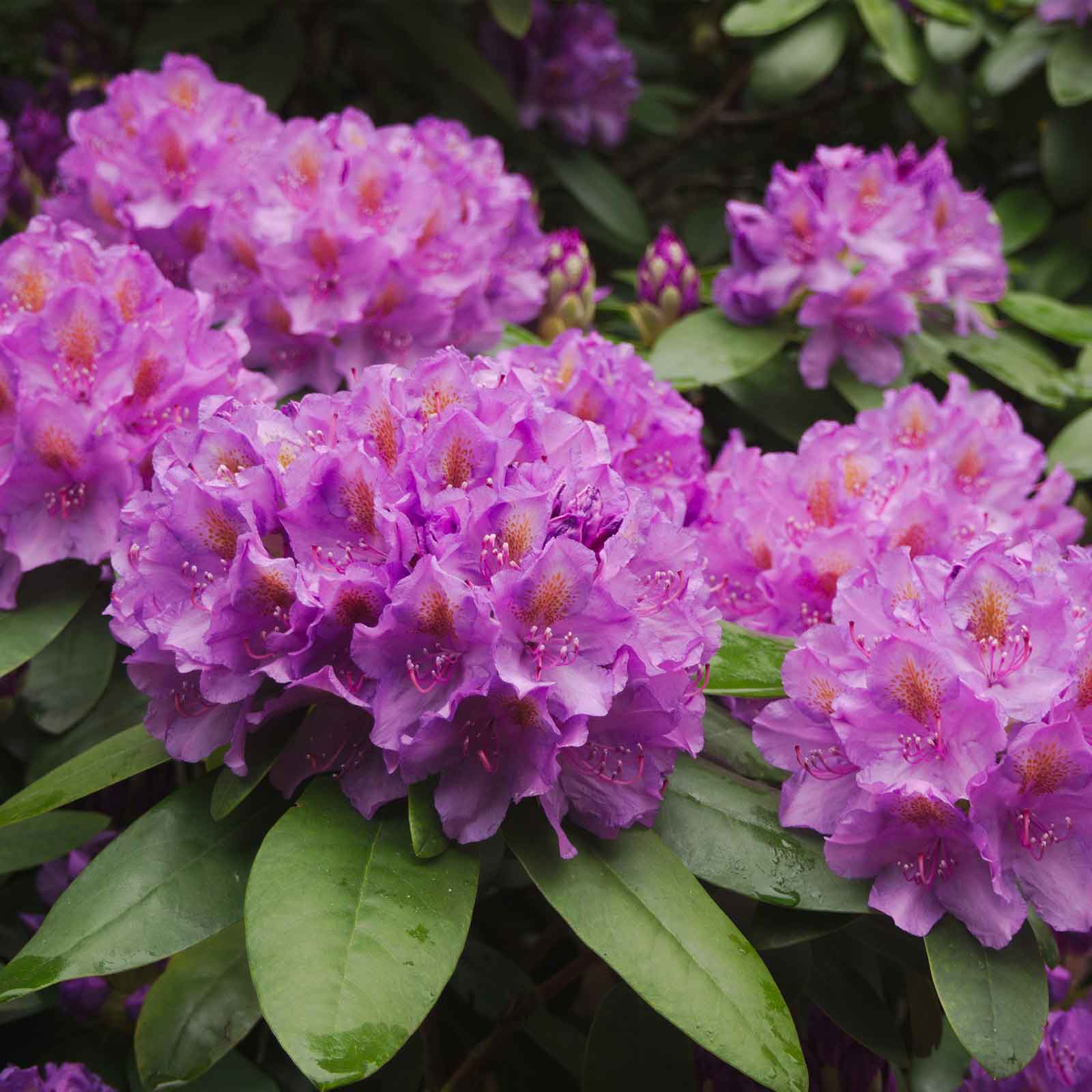
- Today’s trail winds through denser forests of pine and rhododendron.
- The ascent is gradual but steady, and the villages become more remote.
- This is a day to acclimatize slightly as altitude begins to increase.
- Distance: 12 km
- Altitude: 1,800 m → 2,400 m
- Trek Difficulty: Moderate
- Highlights: Isolated villages, forest scenery, streams, occasional small waterfalls.
- opportunity to see traditional houses and livestock.
- Tips: Take short breaks to enjoy the sound of streams and bird calls; pace yourself for the next higher-altitude days.
-
- The trek transitions into higher alpine terrain with a noticeable change in vegetation and climate.
- The trail becomes rocky at points and crosses small streams.
- The views of Api Glacier begin to emerge as you approach Apinampa.
- Distance: 10 km
- Altitude: 2,400 m → 3,000 m
- Trek Difficulty: Moderate
- Highlights: Api Glacier, high alpine valleys, scattered shepherd huts.
- Flora & Fauna: Alpine flowers like primula and rhododendron, possible sightings of Himalayan pheasants.
- Tips: Layer clothing for cooler temperatures; stay hydrated and maintain a steady pace.
-
- The trail today leads across open alpine meadows and moraine ridges, gradually ris-ing toward Dhuli.
- Remote villages offer a glimpse into traditional high-altitude Himalayan life.
- Distance: 12 km
- Altitude: 3,000 m → 3,500 m
- Trek Difficulty: : Moderate to Challenging
- Highlights: Panoramic views of Api, Nampa, and Saipal peaks; high alpine landscapes
- Photography Tips: Sunset over the peaks provides excellent photo opportunities; capture the contrast be-tween meadows and glaciers.
-
- Today’s trail passes through high alpine terrain with sparse vegetation.
- You’ll encounter shepherd huts, prayer flags, and open valleys.
- The ascent is gradual, allowing for acclimatization.
- Distance: 8–10 km
- Altitude: 3,500 m → 3,900 m
- Trek Difficulty: Challenging
- Highlights:Prayer flags, alpine meadows, panoramic peak views, chance to see Himalayan Thar.
- Flora & Fauna: Alpine wildflowers, Himalayan birds
- Tips: Trekking poles are helpful on rocky terrain; drink plenty of water
-
- The ascent to Api Base Camp is a highlight of the trek. .
- You’ll cross moraine ridges and glacier-fed streams.
- The base camp offers a dramatic view of the surrounding peaks.
- Distance: 6–8 km
- Altitude: 3,900 m → 4,200 m
- Trek Difficulty: Challenging
- Highlights:Api Himal, glaciers, panoramic Himalayan valleys
- Photography Tips: Early morning light offers the best clarity for peaks and glacier photos.
-
- Optional short climb to a summit viewpoint gives spectacular sunrise views of Api, Nampa, and Saipal.
- After enjoying the vistas, return downhill to Masur.
- Distance: 8 km round trip
- Altitude: 4,200 m → 4,500 m → 3,900 m
- Trek Difficulty: Challenging
- Highlights:Sunrise over Himalayan peaks, glaciers, photography opportunities
-
- A gradual descent through alpine meadows and valleys.
- The trail is less challenging, offering time to enjoy the landscape and observe wildlife.
- Distance: 12 km
- Altitude: 3,900 m → 3,500 m
- Trek Difficulty: Moderate
- Highlights:Alpine meadows, forest patches, streams, peaceful surroundings
- Accommodation: Teahouse
- Tips: Maintain hydration and eat well; slower descent reduces knee strain
-
- Descending further, the trail passes through dense forests, rivers, and terraced fields.
- Villages become more frequent, and local life is evident along the trail.
- Distance: 12 km
- Altitude: 3,500 m → 2,400 m
- Trek Difficulty: Moderate
- Highlights:Local villages, forested trails, river crossings, terraced farmlands
- Accommodation: Teahouse
- Tips:Relaxed pace; opportunity to interact with villagers and explore local culture
-
- Last day of trekking before transfer.
- Walk to Saipal Base, then drive to Dhangadhi
- Distance: 12–15 km trek + 6–7 hr drive
- Altitude: 2,400 m → 1,200 m
- Trek Difficulty: Easy
- Highlights:Forests, rivers, villages, far-western Nepalese scenery
- Arrival Kathmandu and transfer to hotel and free day.
- Not Available
cost Include
- Domestic flights (Kathmandu ↔ Dhangadhi)
- Airport transfers and road transport during the trek
- Accommodation in tea houses, lodges, or base camp tents
- All meals during trekking (breakfast, lunch, dinner)
- Experienced English-speaking trekking guide
- Local porters (if required) and their wages
- First aid kit and basic medical support during trek
- Drinking water (with purification tablets or filters provided)
Cost Exclude
- International flights to/from Nepal
- Accommodation and meals in Kathmandu except breakfast
- single supplementary cost
- Personal drinks, snacks, and energy bars
- Personal trekking equipment (sleeping bag, trekking poles, jackets, etc.)
- Personal insurance (travel and evacuation insurance recommended)
- Souvenirs, laundry, phone/internet charges
- Souvenirs, laundry, phone/internet charges
- Any optional activities outside the planned itinerary
Visa requirement
Visa is the first requirement before you enter Nepal, which you can obtain at Kathmandu airport on arrival or you can also get it in your country of destination from Nepalese Embassy or consulate offices. Or you can apply online also from the website of immigration department of Nepal under the link. https://online.nepalimmigration.gov.np/tourist-visa We would recommend you to obtain visa either online in advance to avoid long queue at the airport. To obtain on arrival visa you required a valid passport and one passport -size photo with a light background. Credit cards are not accepted as payment of visa fee. No On arrival visa for country list -
- AFG
- IRQ
- CMR
- GHA
- SOM
- SWZ
- PSE
- ZWE
- NGA
- ETH
- LBR
Visa Facility Duration Fee:
- Multiple entries 15 days - US$ 25 or equivalent convertible currency
- Multiple entries 30 days - US$ 40 or equivalent convertible currency
- Multiple entries 90 days - US$ 100 or equivalent convertible currency
- For more in details and current updates please visit the link below directly:
-
Travel insurance is necessary
Adequate security gives you therapeutic incorporation in case you turn out to be sick or break your leg at the mountain, your camera overflowing with epic ascending shots is hurt or stolen, your flights are dropped, or you end up included with a disastrous occasion. It's an assurance against potential issues that develop when you're all over the place, and can secure your life. Your own adequate travel insurance ought to be purchased at the time your finalise your booking. This is a mandatory requirement for travel. Sufficient provision that covers personal accidents, death, medical costs and emergency repatriation should all be included under your policy. We would recommend a minimum coverage of 0,000 for each of the aforementioned categories. Your policy will also ideally cover you in cases of cancellations, curtailments, loss of luggage and any personal liabilities that may occur. It is a requirement that you provide proof of sufficient travel insurance.
-
Clothing
From April to the end of October, it is warm in Kathmandu. In Nepal clothing for traveling purpose should be comfortable and light. You can also wear longer shorts provided that it is weather- friendly. In the months of November to the end of March, days are usually warm and evenings are cool. Put on your summer clothes during the day time but in the evening and night it is advisable to carry a light jacket. Winter season starts from December to February. One must be equipped with sufficient winter wears like jackets, sweaters, trousers etc to stay protected from the cold.
-
Health & safety in Nepal
Drinking water is very important factor to be safe and prevent from infectious diseases in Nepal. We recommend you only to drink bottled mineral water, which is available in every hotel and shops. If you are traveling in rural areas, like going for trekking, carry iodine tablets with you. Consult your GP or travel health clinic well before departure to check on recommended vaccinations, which may include typhoid and hepatitis A, plus meningitis if trekking to outlying areas. Malaria is present below 1,200m; consider taking antimalarials. In town, stick to bottled water. Take water-purifying tablets with you if you’re trekking or heading off the beaten track.
-
Altitude sickness
The air pressure is lower as we go higher, that means thinner air, you will be breathing also less oxygen. Same thing happens, when you are trekking in Himalayas above 2000 meter you are breathing less oxygen and there is always danger of having altitude sickness. But it is not for everybody, it also depends on each and everybody’s physical condition. Altitude starts to effect us from 2,000 metres upwards. it is also known as Acute Mountain Sickness (AMS), If trekking at high altitude take precautions to avoid AMS. Make sure you are physically fit, acclimatise to the altitude slowly, eat high-carb meals and drink plenty of water.
AMS is actually more common in fit young men because they are more likely to attempt a rapid ascent by racing up the mountain. It is more safer and enjoyable by planning a sensible itinerary that allows for gradual acclimatisation to altitude as you ascend, but you can back down as fast as you like! If you are not feeling well above 2,500 m, it may be AMS until proven otherwise.
Early symptoms of AMS include:
- Headache
- Loss of appetite
- Nausea
- Fatigue on minimal exertion
- Dizziness
What to do if you have AMS?
- Don’t go higher, rest, drink fluids (not alcohol).
- If symptoms get worse, immediately descend with a friend.
- If symptoms fully go away, go up.
- Consider taking Acetazolamide (Diamox 250 mg twice a day).
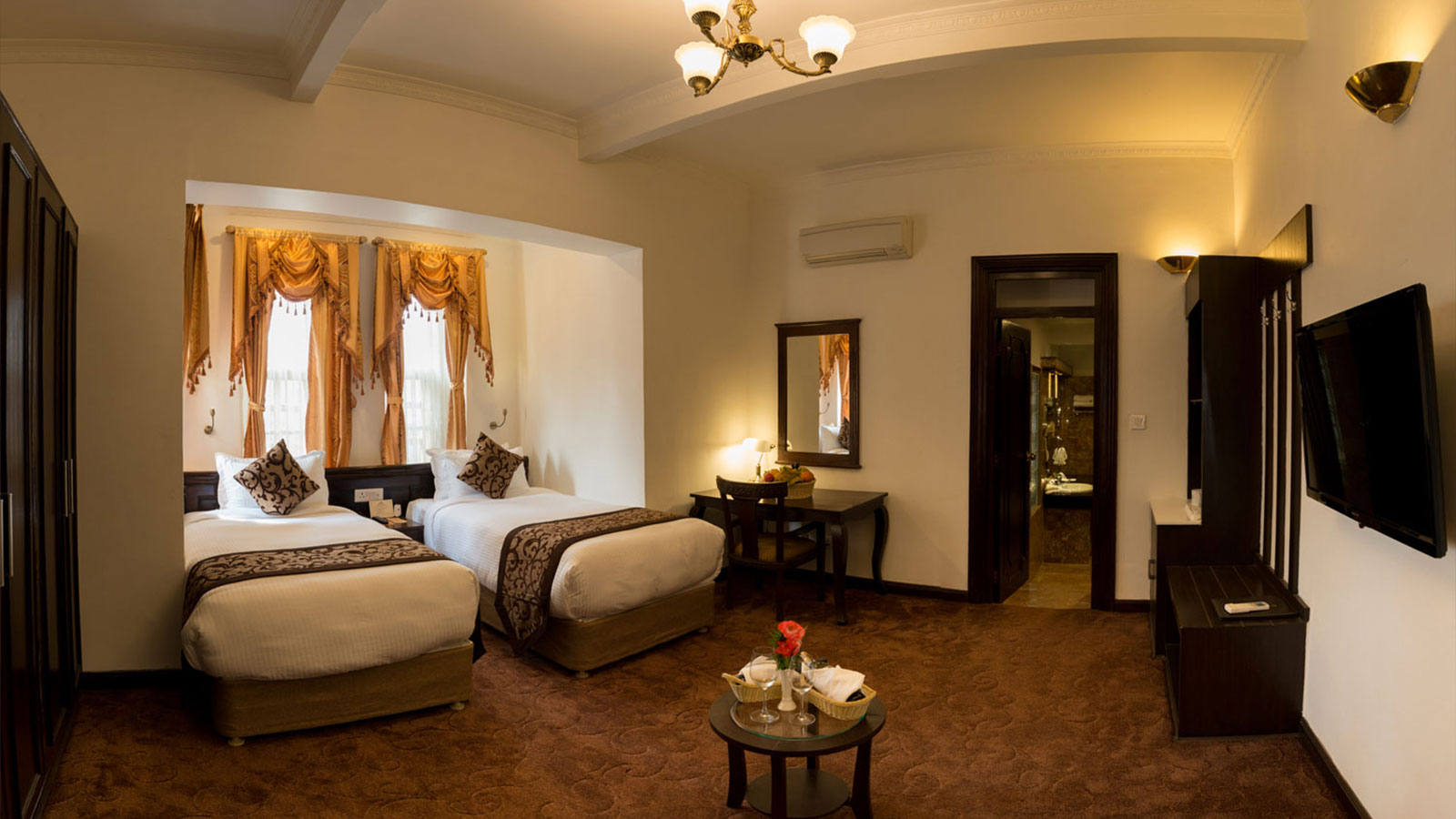
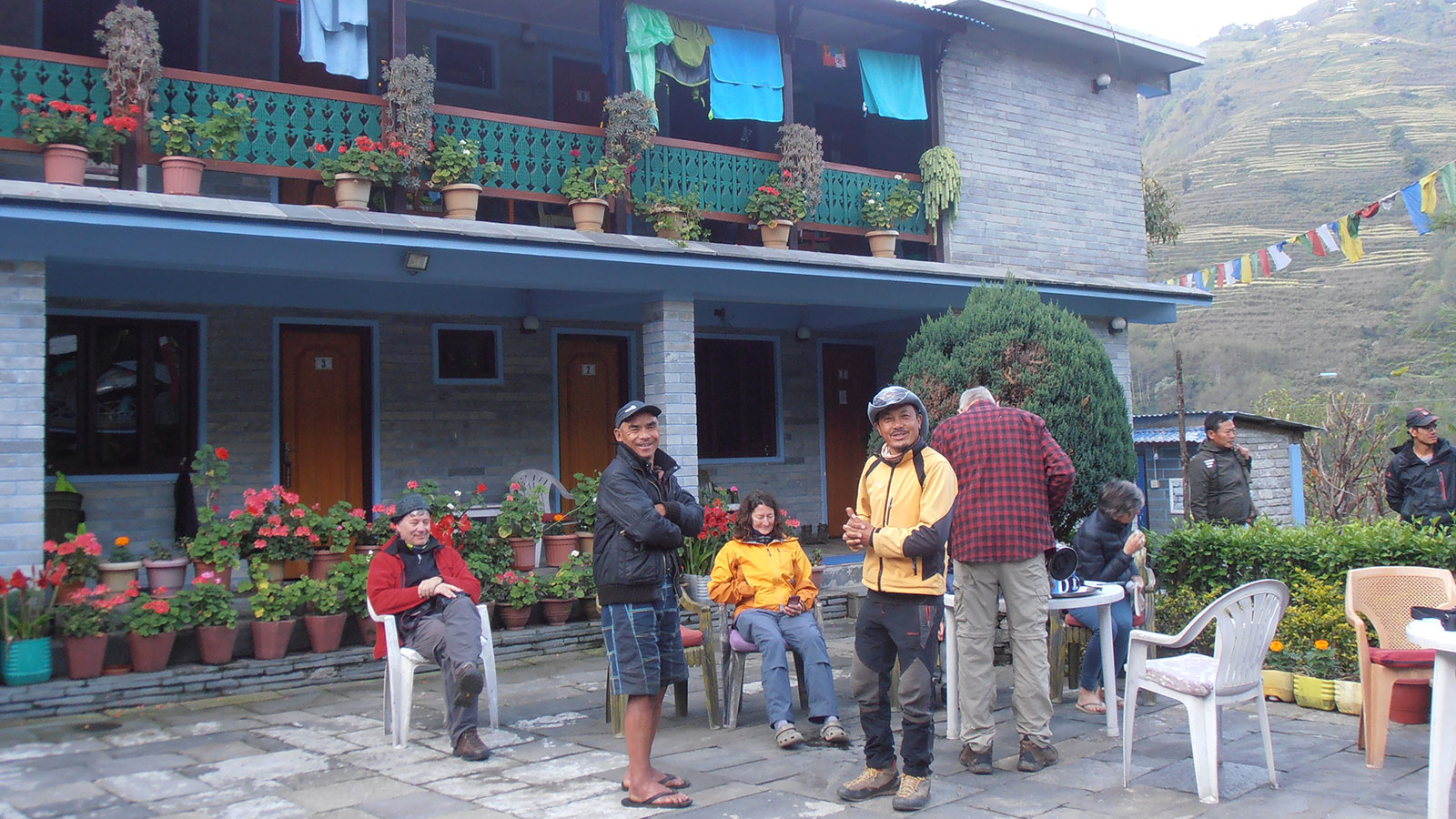
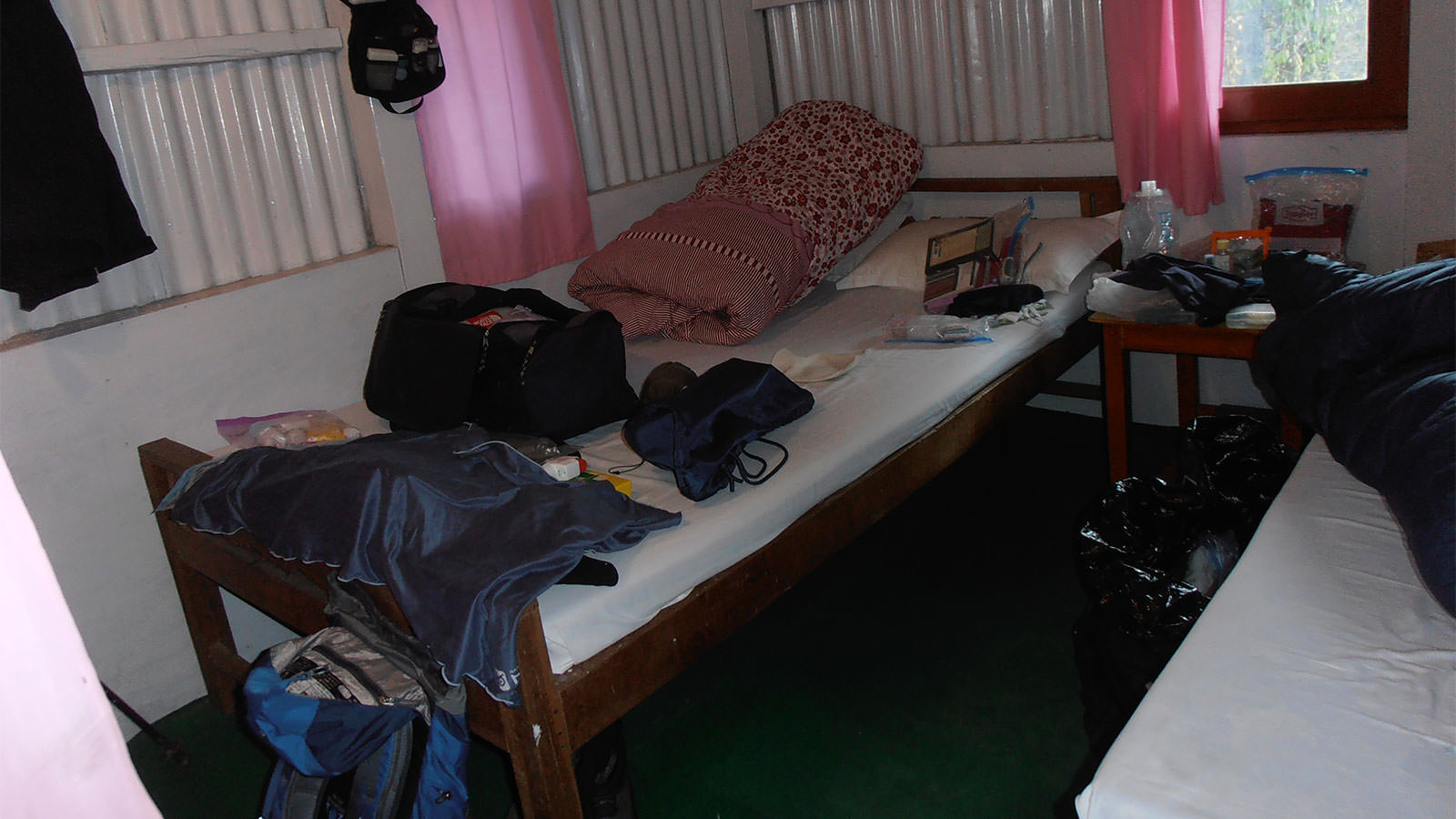
- You’ll spend your nights in teahouses / Local guest house
In Nepal Teahouse trekking is the most popular form of arrangement which allows trekkers to stay at local lodge and have wholesome foods. The guest houses offer basic twin bed accommodation. It is cold in the night, we would recommend you to bring your own sleeping bag, if you do not have one, we can also provide you.There are only common bathroom and toilet which you have to share with other tourists and they have sometime hot shower.. This type of local lodges are mostly available in most popular trekking routes like – Annapurna, Mustang, Everest and Langtang areas. You will be carrying all your clothing gears along with you depending on the season but in case if you want to buy or hire any trekking items in Kathmandu or Pokhara. There are lots of trekking stores across Kathmandu and in the main streets of Pokhara.
Trekking Gear that you should bring:
Waterproof hiking boots (worn in)
Waterproof backpack cover and dry bag
A warm sleeping bag
Rain coat or Jacket
Warm Jacket
Water purification tablets
Altitude sickness tablets
Beanie
Hand sanitiser
Sunscreen
Sunglasses
Bandaids
First aid kit
Thermals
Hat
Warm sleeping bag
Warm socks (several pairs)
Torch and batteries
Snacks
Refillable water bottle
Gloves and scarf (depending on season and altitude)
Best Time To Trek In Nepal
The best season go for Trekking in Nepal is from the mid of September to mid of December and from late February through to June consider ever best season of trekking in Himalayas. During this period of months have pleasant climate condition not so hot and cold and visibility of mountain are crystal clear. In these months in trekking areas temperatures is stable in the morning 10 to 12 Celsius and during the day 15 to 20 Celsius depending on the Months. Most important thing is there will be less chance of rain, skies are often clear, providing great vistas of the Himalayas.
June, July and August months are main rainy season in Nepal and involves monsoon with heavy rainfall which makes trekking conditions unfavourable. It is cold in the winter months in December and January generally, the days are clear in winter season in Nepal. In winter season in Nepal is usually snow fall in the higher elevations above 5000m. with risk winds and colder temperatures. Therefore, it is ideal for trekking in the lower elevation.
Nepali customs
Nepal is a Hindu dominated religious nation, when visiting its religious places, you should pay an attention. Because some holy Hindu temples are strictly accessible for the Hindus only so, ensure you read the display board before you enter the site or ask near by some one and always explore clockwise around temples. Always ask before you capture religious temples and peoples in your camera, so that you do not offend the peoples feeling and also in terms of respect to the peoples and their culture. By the way expel your shoes when entering those sites or a neighbourhood's home. Shoes are supposed to be containing dirts and leather wears are not allowed inside the temple.
| Departure Dates Confirmed Dates | Trip Status Trip Status | Price (PP) Minimum rate | |
|---|---|---|---|

Book instantly directly with provider
Best price guarantee
Fully customizable trip
Extend your trip at applicable rates
Best price guarantee
Fully customizable trip
Extend your trip at applicable rates
Trip Facts
| Trip Duration : | 12 Days |
|---|---|
| Highest Altitude : | 4,500 (Summit View Point) m. |
| Difficulty : | Moderate To Strenous |
| Season : | March–May & September–November |
| Activity : | Nepal Trekking |
| Group Size: | pax |
| Transportation: | |
| Accommodation : | Tea houses / Lodges / Base Camp tents |
| Meals: | |
| Start-End : | Kathmandu - Kathmandu |
Whatsapp For Enquiry
 +977 9761161318 |
 +49 15229228976 |
support@holidayorganiser.com
+49 15229228976 |
support@holidayorganiser.com
Need Help? Ask the trip expert
+977 9761161318 |
+49 15229228976 |
support@holidayorganiser.com
"Experienced Travel Experts. Tailored Trips, Every Time."